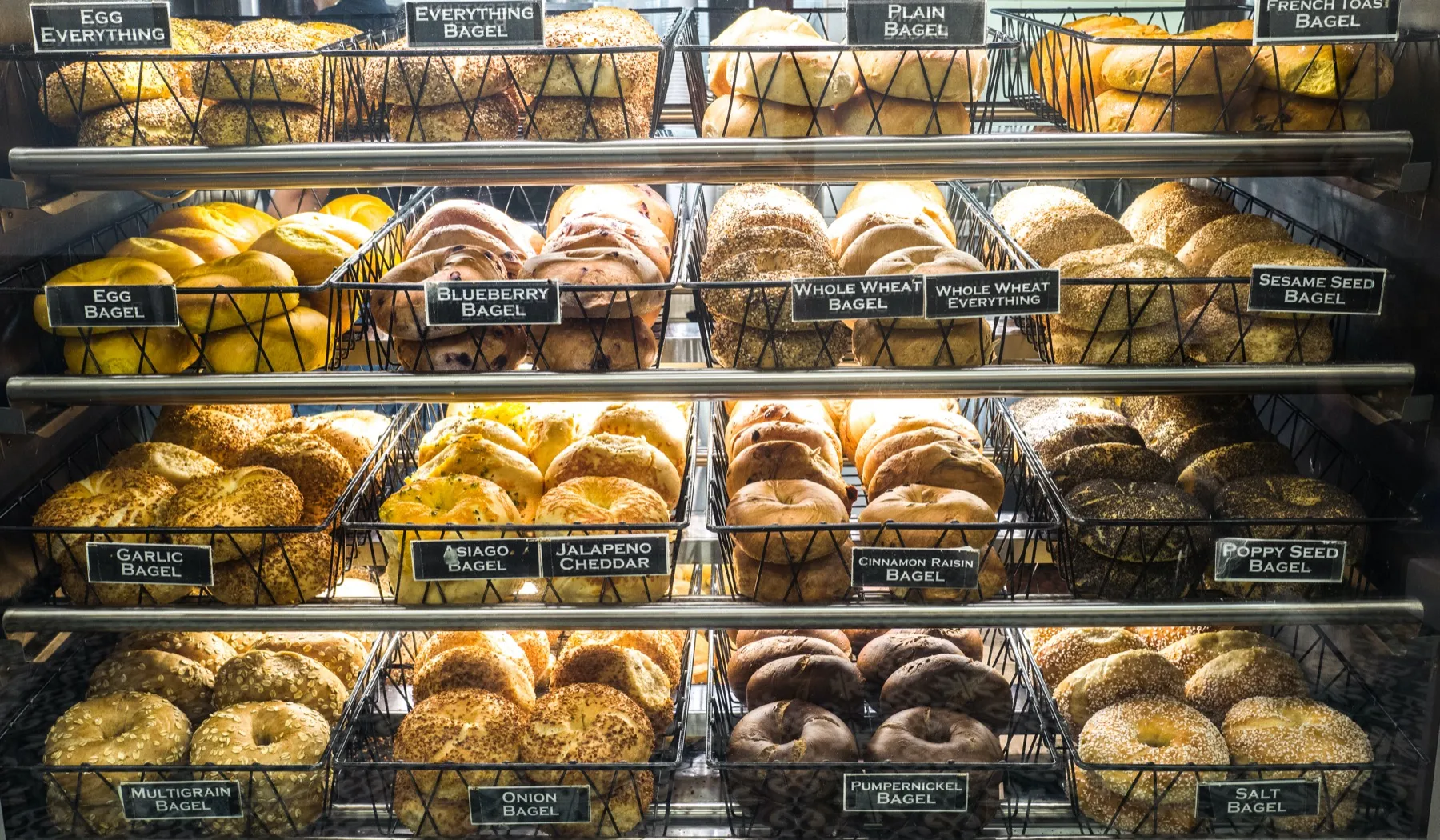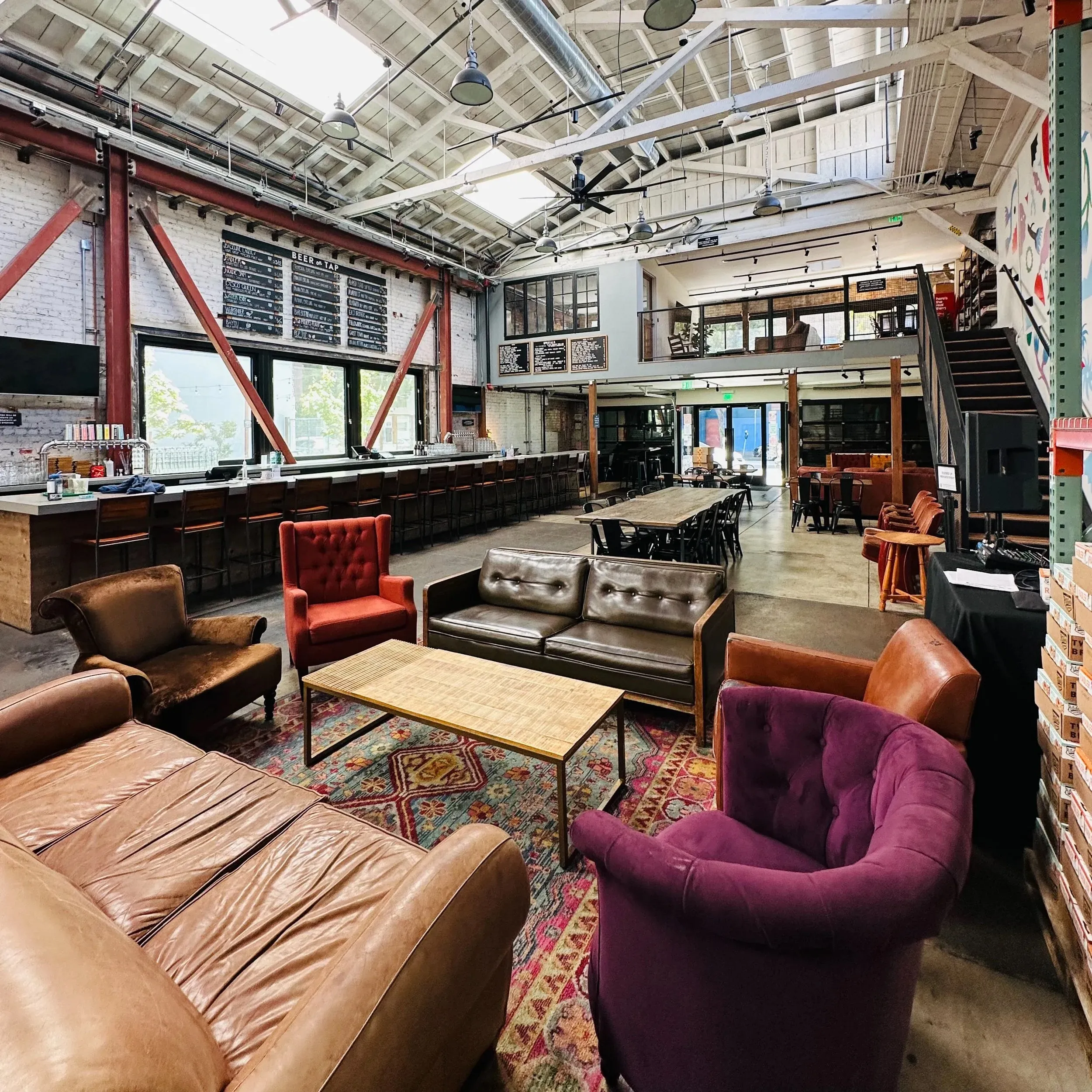
Bad Walter’s Bootleg Ice Cream and Two Pitchers Brewing Company are staples in the Oakland, California community. Bad Walter’s, started by Sydney Arkin in 2024, serves creative ice cream flavors such as “Mr. Potato Head” (brown sugar frozen custard with chocolate-dipped potato chips and peanut butter ribbons) and “Limewire” (lime frozen custard with marshmallow fluff and graham cracker). Two Pitchers, co-founded by Tommy Hester in 2021, is known for their radlers, $3 lager, and excellent beer garden. Prior to opening though, both of these businesses say they weren’t prepared for the hurdles of Oakland’s permitting process. In both cases, their opening was delayed for many months and had them second guessing their dream of opening a small business.
“I knew that permits were hard, everybody said so,” Arkin said. “And I was told that Oakland, specifically, is some of the hardest in the Bay Area.”
Arkin started the permitting process in 2023. At the time, pandemic restrictions were starting to lessen, so some of the process was still online and some in person.
The biggest issue Bad Walter’s faced was needing a Milk Product Plant License from the California Department of Food and Agriculture, CDFA. The CDFA required a specific piece of equipment called a vat pasteurizer to make the ice cream. Alameda County was unfamiliar with this piece of equipment, and refused to approve it because it didn’t have an NSF, National Sanitation Foundation, certification. The pasteurizer didn’t have the NSF certification because it’s industrial dairy equipment with a different certification called 3-A. Due to this confusion, the vat pasteurizer took months to get approved.

Photo courtesy of Bad Walter’s
Arkin said these discrepancies across agencies and inspectors were common. The space Bad Walter’s moved into was previously another ice cream shop, Smitten. Smitten had installed fire sprinklers on the ceiling, which weren’t technically required for the shop size. The county then told Arkin that they were required to put in drop ceilings, which covered some of the non-required sprinklers.
A month out from opening, the fire department came through for their inspection and said that because the sprinklers were already there, they were required to maintain them which would cost $1,000 per sprinkler head to move, and they had twenty.
“To move the sprinkler heads, we would need to get permits to move the sprinkler heads, which could take four to six months to achieve,” Arkin said. “And then the sprinkler heads would have to be moved. I mean truly I think that was the point where I was like, I don’t know if I can do this.”
They petitioned the city and eventually the fire department did another assessment, saying they actually didn’t have to move the sprinklers, but they did have to pay for the second assessment. All of that took another 1-2 months, pushing back their opening date.
“However long you think it’s going to take, the permits all get pushed back and it’s also just based on availability,” Arkin said.
Arkin felt like what you might be required to include, such as a drop ceiling, might come down to just who your inspector is. All of this leaves business owners delayed, missing months of potential income/revenue in the muddle and paying rent and all of the permitting inspections in the meantime. In Arkin’s case, Bad Walter’s was delayed at least three months due to permitting issues. It felt to Arkin like the agencies didn’t want to help small businesses like Bad Walter’s open.
“I think it’s chaos, I think it’s detrimental, and it makes me never want to open up another business in Oakland,” Arkin said.
Two Pitchers started their permitting process in 2020. They were taking over the location of an auto-repair shop, so had to do a change of use permit. Because it was an old brick building, there were also a lot of structural adjustments. They had to combine two lots, a process which Hester described as “inane”. Hester said Oakland had a lot of confusing requirements.
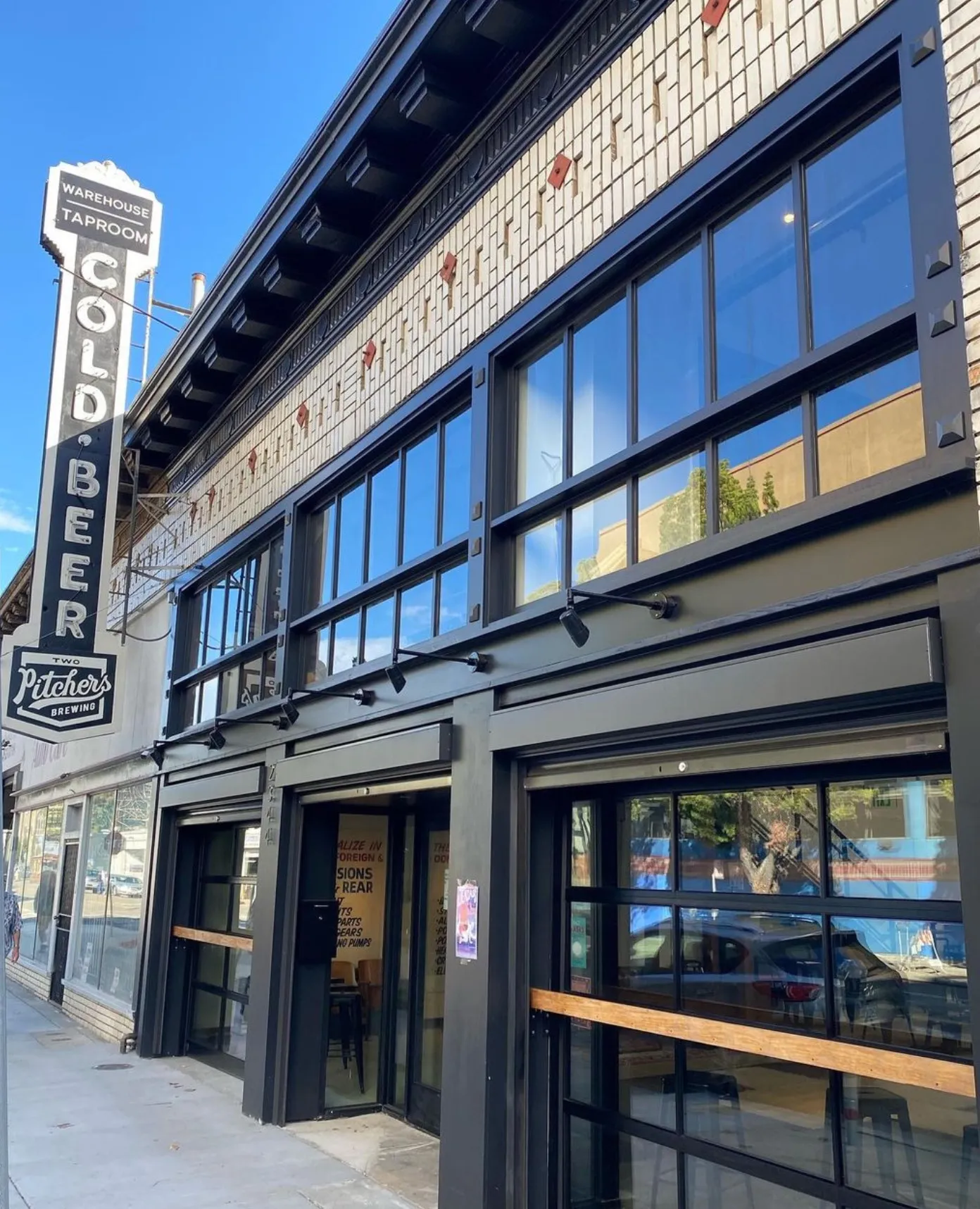
Photo courtesy of Two Pitchers
“They make the process difficult and a lot of stuff is fairly counterintuitive,” Hester said. “There’s a lot of kind of laws and regulations and things like that that are pretty overbearing.”
Hester had heard from others that the permitting process would be tough, but he said there are still so many parts that you don’t necessarily expect as a first time business owner. Part of that is just knowing who to call or who to contact. Hester also said that dealing with inspectors is not easy.
“I thought the construction would be complicated, and in reality, I think the construction was fairly straightforward. It was more that the permitting and inspection processes, those are actually the places where you are going to run into much more unexpected issues, unexpected costs, all that kind of stuff,” Hester said.
In April this year, Two Pitchers opened a second location in San Francisco. Compared to the almost entire year their permitting process took in Oakland, the San Francisco process only took a handful of months. Hester said that having already gone through the process once was very helpful.
Their location in San Francisco was previously a grocery store, so they had to get a change of use permit, turning it into a limited service restaurant. This included things such as hanging a new hood, MEP upgrades, upgrading the gas service and water, adding sprinklers.
In San Francisco, they have a new program as of this year called First Year Free which waives first year permitting, registration, and license fees for new or expanding small businesses. San Francisco also created a fully digital portal for permit applications such as windows, doors, and fire safety that can be done without visiting the permit center. These are big steps in helping businesses to have a smoother time opening. It echoes a broader trend: states and cities have spent the past year racing to cut permitting friction, mostly focused on housing so far, but the pressure is spreading to commercial permitting too.
“In the grand scheme of things, they have streamlined a fair bit in San Francisco. The First Year Free program has been very helpful with permitting fees and inspection fees covered for the first year you’re in business, which is great,” Hester said.
Bad Walter’s and Two Pitchers are not associated with and have not used Rhonda, but Hester looked into the concept.
“If we had something on the first go around where we could have got another set of eyes on this, flagged any sort of potential issues, because you pay a lot for an architect’s time and they’re the ones who are going to do that, but architects aren’t perfect, and they’ll miss stuff. It’ll get to the city and that’ll have other issues,” Hester said. “So anything that helps folks get through the process as smoothly as they can, I think is pretty beneficial.”
Rhonda checks plan sets against local jurisdiction requirements before they hit the counter, catching the kind of surprises that delayed Bad Walter’s and Two Pitchers. See how it works.