For EV charging infrastructure developers
Rhonda knows your jurisdiction.
Know the permitting path before you commit to your next charging site.
Know the permitting path before you commit to your next charging site.
Understand the likely timeline, required approvals, submission process, local contacts, and risk. Then carry that knowledge through design, plan checking, and review.
Bring a site under consideration, an active project, or a recent permit package. We'll focus on the questions that affect schedule and capital.
Site selection
Where should we build? Know the timeline, discretionary and ministerial processes, jurisdiction requirements, risk, and right contacts before you commit to a site.
Zoning Timeline Risk Contacts
Design / concept
Walk into the pre-application meeting ready to lead the conversation, be the educator, and ask the right questions.
Jurisdiction intel Checklist Meeting prep
Technical review
Be prepared for department-specific reviews. Flag incentive cliffs and conflicts before they stall the job.
Incentive tracking Conflict detection
IFC / shovel ready
Submit with confidence, knowing your work has built trust with the permit office from start to finish.
Formal submittal
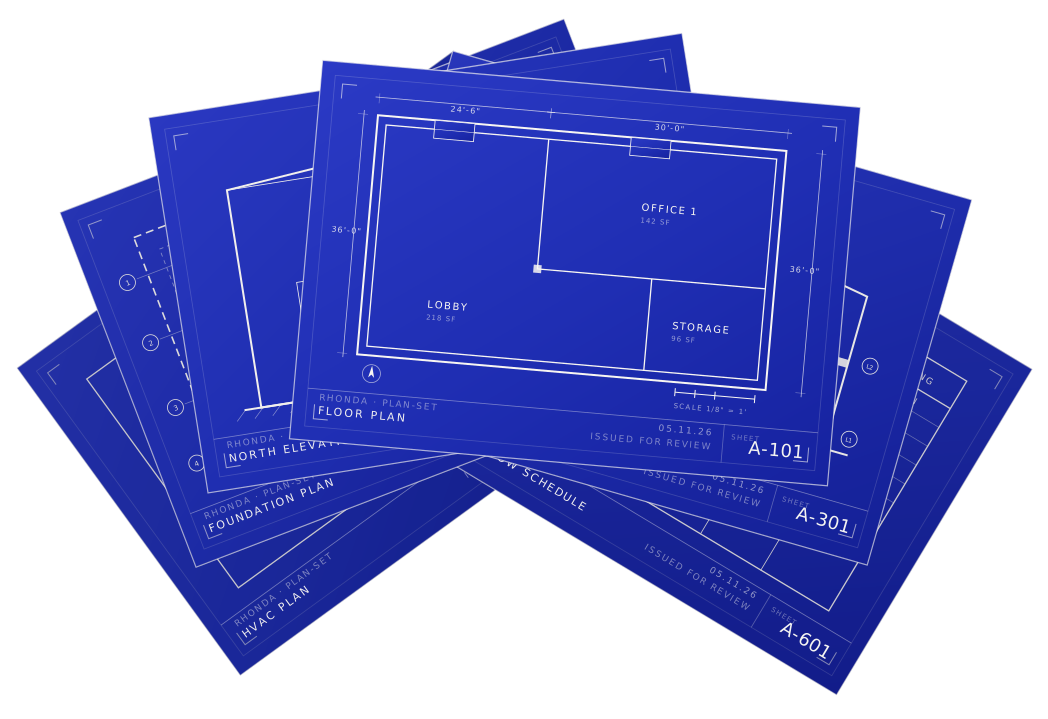
Before you commit capital, Rhonda helps your team assess feasibility, local approvals, and the permitting risks that could affect site selection.
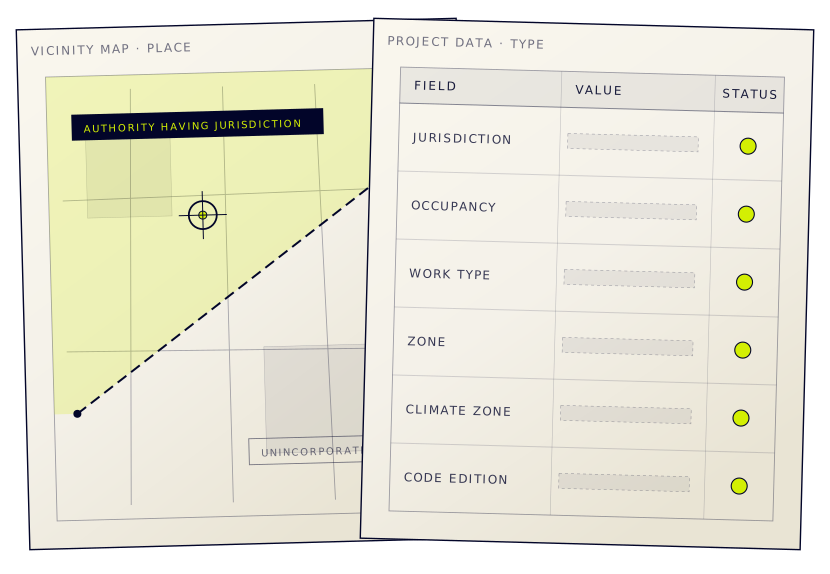
See which agencies review the project, how submissions work, how long approval is likely to take, and which local contacts matter.
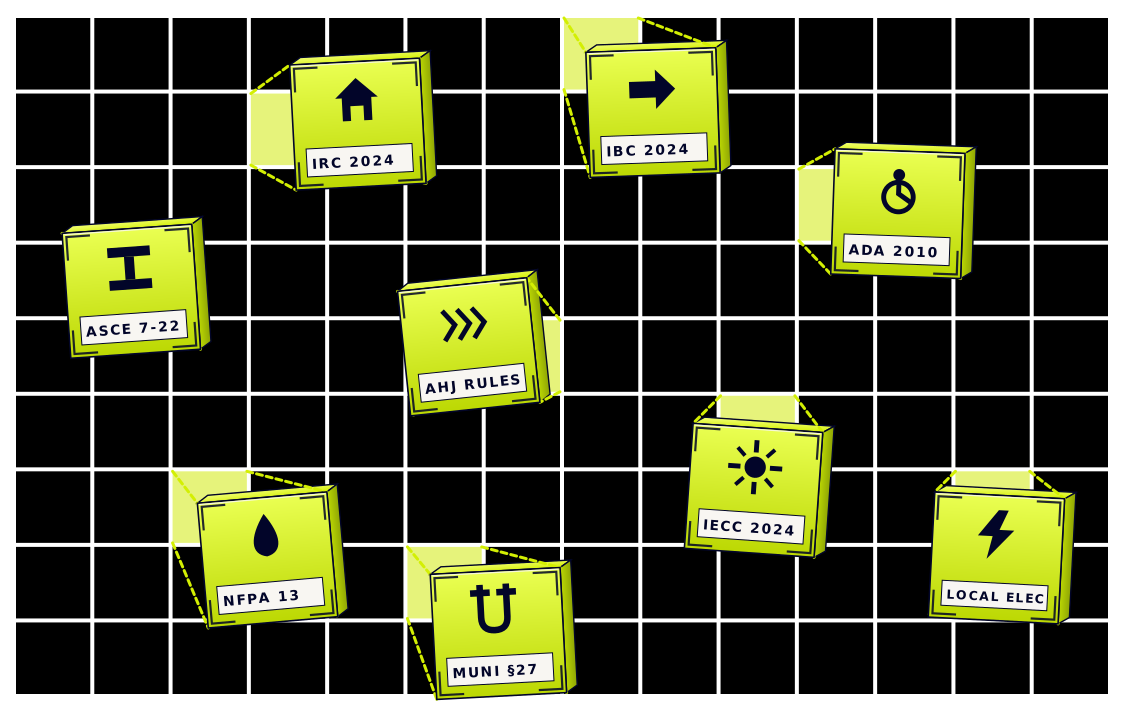
Rhonda provides upfront checklists and guidance for zoning, electrical, civil, fire, utility coordination, and local submission requirements.
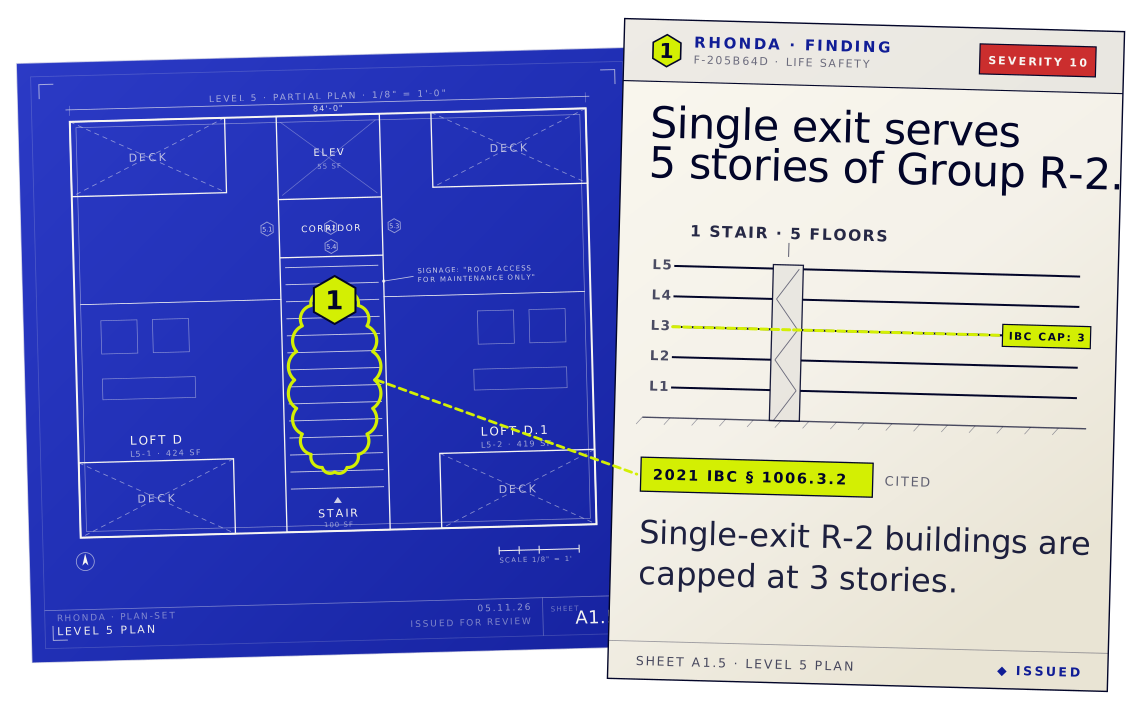
Rhonda checks the design against local requirements, cites each finding, and helps your team work through review comments to approval.
Rhonda brings together local amendments, fire district requirements, submission steps, contacts, and review priorities for your project.
See zoning constraints, required approvals, long review queues, and local design requirements before your schedule depends on them.
Give the design team the right checklist up front, then check the plan set against the same jurisdiction knowledge as it develops.
Keep local research, review comments, and project outcomes available for the next site instead of starting over in each jurisdiction.
Use the same source of jurisdiction knowledge across fleet depots, public charging, commercial L2, and specialized infrastructure.



Rhonda is built for commercial solar, battery energy storage (BESS), and EV charging infrastructure developers. The best fit is a team running repeat projects across jurisdictions where permit delays put schedules and capital at risk.
Start before you commit to a site. Rhonda supports feasibility and preplanning, then carries the same jurisdiction knowledge through design, plan checking, review comments, and permit approval.
Rhonda helps you understand feasibility, the likely approval path and timeline, required submissions, local contacts, reviewer priorities, historical precedents, and permitting risk.
No. Rhonda provides a data-backed view of the expected process, timeline, requirements, and risk. Jurisdictions can change their process or make project-specific decisions, so Rhonda does not guarantee an approval date or outcome.
Rhonda uses official regulations, applications, checklists, local guidance, and project-specific information. Where available, public records, historical permit data, review comments, and customer outcomes add more context.
Plan checking is a core Rhonda capability. Once a plan set exists, Rhonda checks it against applicable regulations and local requirements, finds coordination issues and missing information, and cites the drawing and regulatory source for each finding.
Rhonda checks commercial solar, BESS, and EV charging plan sets across architectural, structural, civil, mechanical, electrical, and plumbing disciplines. You can run a check during design or before submission.
PDF today. Send the same plan set you would submit to the jurisdiction.
No. Rhonda does not use customer plan sets, drawing sets, reports, project files, or customer-specific materials to train, fine-tune, or improve AI models unless you explicitly agree in writing. Read the full commitment in our privacy policy and terms of service.
Only authorized Rhonda personnel with a legitimate business need, such as providing support, debugging processing issues, maintaining service reliability, securing the platform, or helping with a customer-requested review. We prohibit casual access to customer files.
Rhonda does not sell customer data or share it for unrelated purposes. We use customer data to provide and operate the service. Trusted providers process data only as needed to provide their services to Rhonda.
No. We will not use customer plan sets, reports, screenshots, project names, client materials, or customer-identifiable materials in demos, marketing, public examples, blog posts, or sales materials without written permission.
Yes. Send it over and we'll get it signed before you share project materials.
Book 15 minutes with Alex to walk through the jurisdiction, project type, and permitting questions your team needs answered.
You can bring a site under consideration, an active project, or a recent approval.
“Rhonda was really helpful and insightful, and caught some things that even the city did not catch.”
No AI training on your data NDA-friendly SOC-2-track